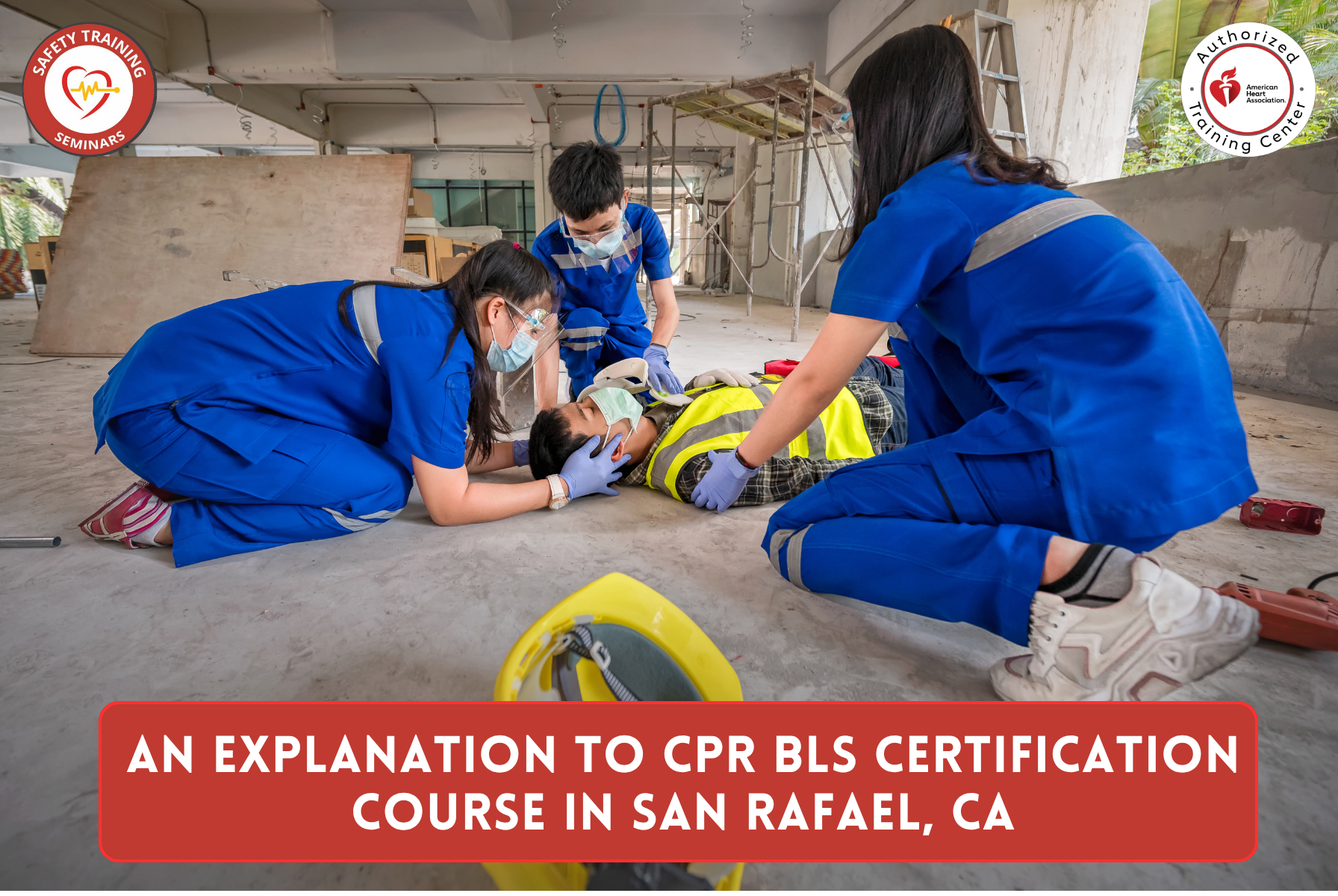
A BLS CPR Certification Course is designed for people who may need to respond to cardiac arrest, breathing emergencies, or choking as part of their work or clinical training. In San Rafael, CA, it is especially relevant for healthcare professionals, nursing and allied-health students, dental teams, medical office staff, and others whose employer or school requires Basic Life Support rather than a general CPR class.
BLS goes beyond chest compressions alone. It focuses on recognizing life-threatening emergencies, performing high-quality CPR, using an AED, supporting breathing, and working effectively with other rescuers. The right course depends on your role, so check the exact credential requested by your employer, school, licensing board, or clinical program before registering.
Key Takeaway: A BLS CPR Certification Course is generally the right choice when a healthcare or clinical role requires professional-level CPR training. In San Rafael, confirm the required credential first, then choose a format that includes the hands-on skills component needed for completion.
What Does BLS CPR Certification Actually Cover?
Basic Life Support, or BLS, teaches core resuscitation skills for life-threatening breathing and cardiac emergencies. The American Heart Association describes BLS as training that includes CPR, AED use, and ventilations for healthcare professionals and other personnel working in in-facility or prehospital settings.
Students typically learn and practice:
- High-quality CPR for adults, children, and infants
- Use of an automated external defibrillator, or AED
- Effective ventilations
- Recognition of cardiac arrest
- Relief of foreign-body airway obstruction
- Multi-rescuer response and team dynamics
Learners must understand when to act and demonstrate the skills correctly during practice and assessment.
Who Needs BLS Instead of a General CPR Class?
BLS is commonly required for people working in healthcare or preparing to enter a clinical setting. Nurses, physicians, dental professionals, medical assistants, EMTs, therapists, technicians, and many healthcare students may be asked to complete BLS.
A general CPR or First Aid course may better fit teachers, office teams, parents, coaches, fitness staff, or community members unless an employer specifically asks for BLS. The American Heart Association separates BLS training for healthcare professionals from Heartsaver courses intended largely for people with little or no medical training.
If your paperwork says “BLS Provider” or specifically requests an American Heart Association BLS credential, do not assume a general online CPR certificate will satisfy it. Confirm the wording before enrolling. People who also work in Contra Costa County can review the supplied Concord CPR, BLS, ACLS and PALS course page as another regional option.
What Happens During BLS Training?
BLS training combines knowledge with hands-on performance. Students learn how to recognize an unresponsive person, activate the appropriate emergency response, begin CPR, use an AED, and coordinate care with another rescuer when necessary.
The practical portion matters because CPR is a physical skill. Reading about compression technique, ventilations, or AED use is different from demonstrating those actions on training equipment. First-time students generally learn the concept, observe the technique, practice it, receive feedback, and then demonstrate the skill. Returning healthcare workers must still meet the current completion requirements.
Classroom BLS vs. Blended Learning
The American Heart Association offers BLS through classroom learning and blended learning. In the blended format, the cognitive portion is completed online and followed by a hands-on skills session. Both formats teach the same AHA science-based BLS skills and result in the same AHA BLS course completion eCard after all requirements are met.
This matters when comparing “online BLS” options. A course with online learning does not necessarily mean every required component can be completed from home. AHA HeartCode BLS requires a separate hands-on skills assessment.
Before registering, verify three things: the exact credential you need, how the hands-on portion is completed, and whether your employer or school accepts that training format. If your schedule takes you between Marin County and the East Bay, the supplied Danville CPR and BLS course page is another regional location to compare.
How BLS Differs From CPR, First Aid, ACLS, and PALS
The course names can be confusing because CPR appears in several training programs. BLS is not simply another name for every CPR class. It is a healthcare-focused course built around CPR and other basic cardiovascular life-support skills.
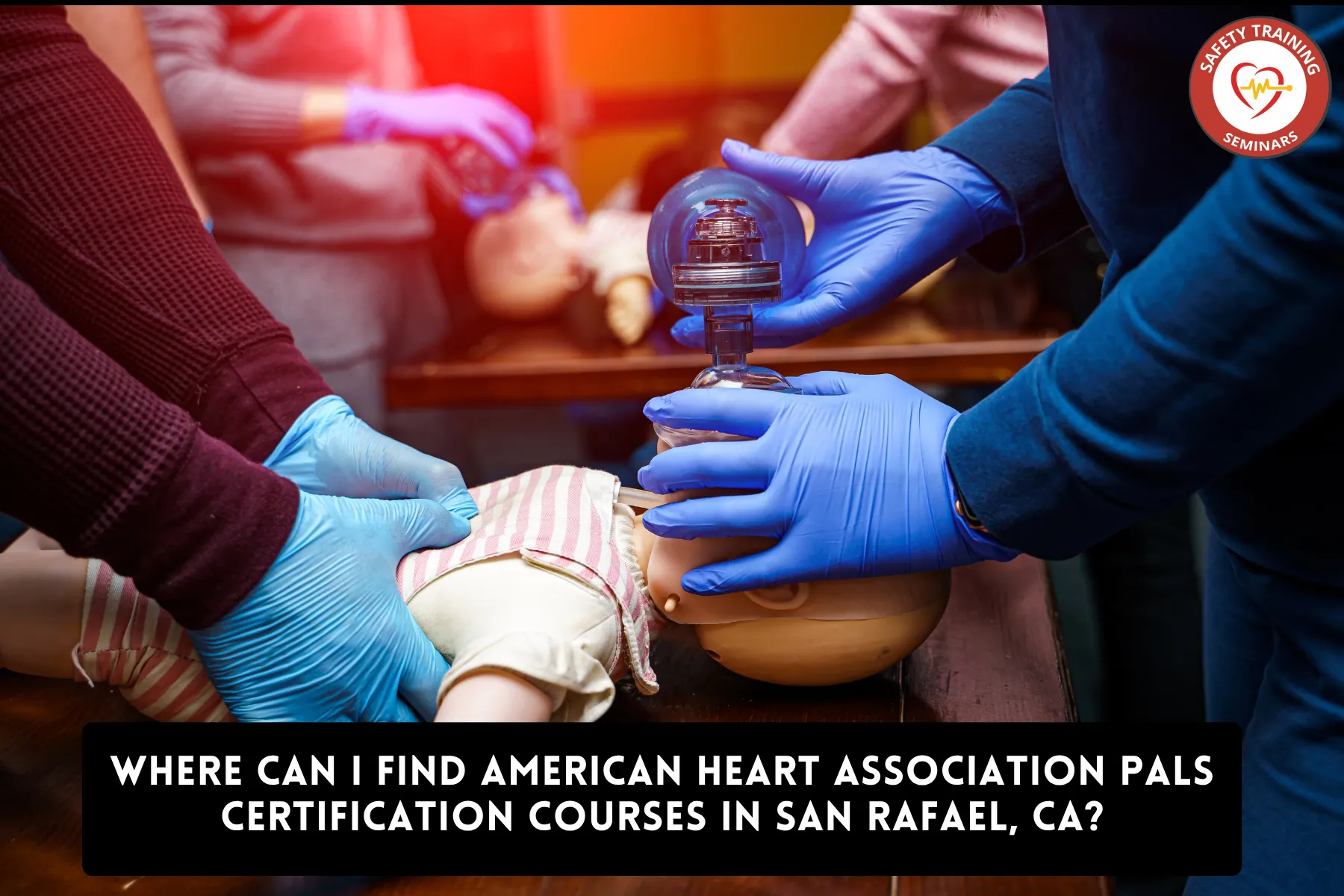
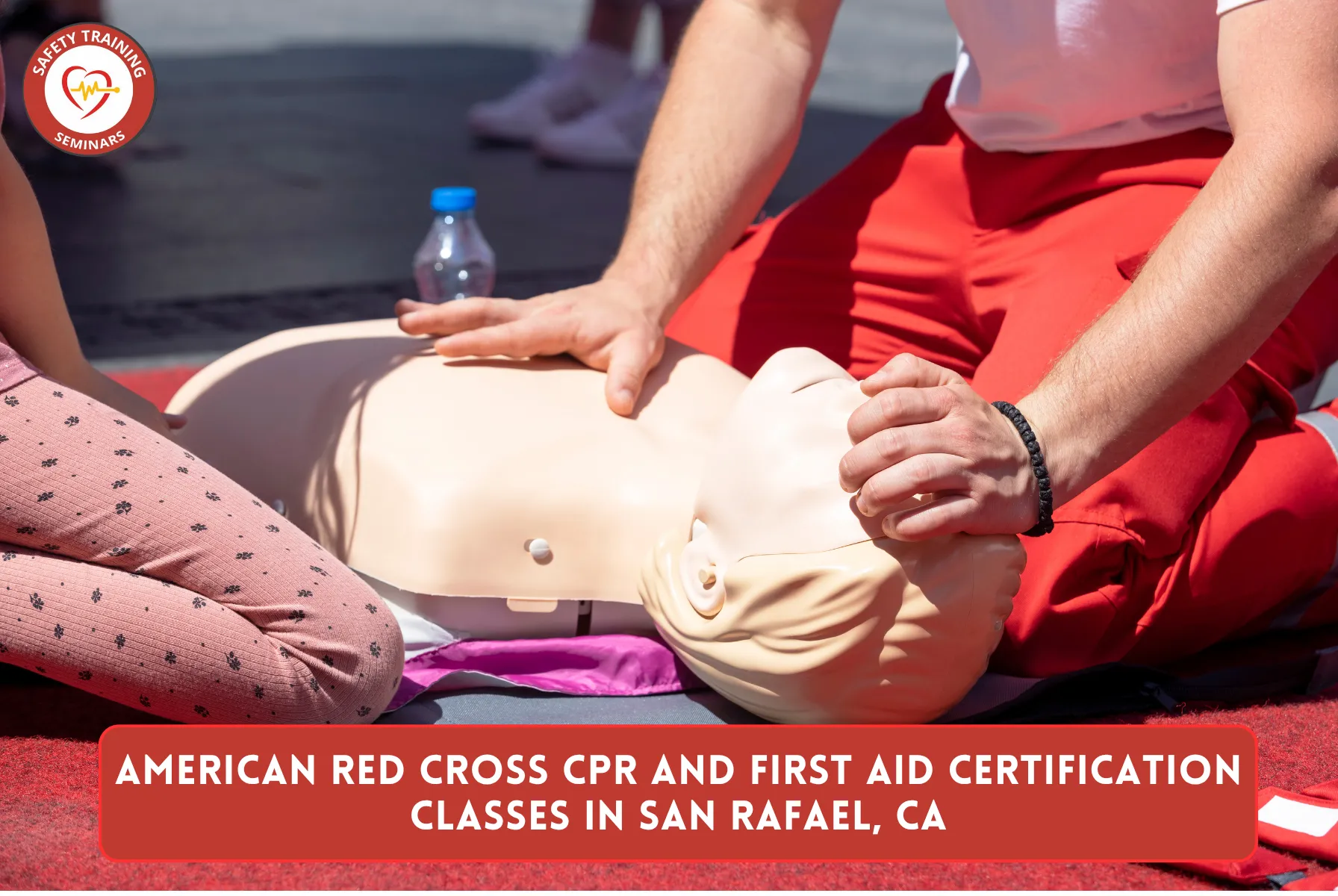
First Aid covers responses to injuries and sudden illnesses beyond cardiac arrest. ACLS builds on BLS skills for healthcare professionals involved in advanced adult cardiovascular emergencies. PALS addresses advanced assessment and resuscitation involving pediatric patients.
A nursing student may need BLS, while a clinician in a particular hospital role may also need ACLS or PALS. A childcare provider may instead need a CPR and First Aid course that meets employer or licensing requirements. Use the exact course name supplied by the organization requesting your certification.
Planning for BLS Training in San Rafael and Marin County
People in San Rafael may seek BLS for employment, healthcare education, clinical placement, or renewal. Students can also come from nearby communities such as San Anselmo, Fairfax, Ross, Larkspur, Corte Madera, Novato, Mill Valley, Sausalito, Tiburon, or Belvedere.
The reason for training affects course selection. A nursing student may need BLS, while a teacher or childcare professional could need a different CPR/First Aid credential. Check the requirement before scheduling.
For people who divide their time between Marin and farther-east communities, the supplied Antioch CPR, BLS, ACLS and PALS class page provides another location page to review.
Reviewing the Safety Training Seminars San Rafael Option
Safety Training Seminars offers CPR and healthcare certification training in San Rafael at 4340 Redwood Hwy, Suite F-154, San Rafael, CA 94903. Its San Rafael location lists BLS, ACLS, PALS, CPR, and First Aid courses, giving students a local place to compare the credential that fits their work or education requirement.
For someone coming from San Anselmo or Novato, a San Rafael training option can keep the hands-on portion within Marin County. Before registering, confirm whether you need BLS alone or another course.
Safety Training Seminars states that it is an American Heart Association Training Center. Even with that distinction, students should still match the exact course to the wording supplied by their employer, school, licensing board, or clinical program.
FAQs About BLS CPR Certification in San Rafael
Is BLS the same as CPR certification?
No. CPR is a major part of BLS, but BLS is broader and healthcare-focused. It also covers AED use, ventilations, choking response, and team-based resuscitation. If your employer or school specifically requests BLS, a basic community CPR certificate may not meet that requirement.
Can I complete an AHA BLS course entirely online?
AHA HeartCode BLS includes online learning, but a hands-on skills assessment is required to earn the BLS Provider eCard. If you choose blended learning in San Rafael, confirm where and how the skills portion will be completed before registering.
Who should take BLS classes in San Rafael?
BLS is primarily intended for healthcare professionals and others who need professional-level CPR and basic cardiovascular life-support skills. Nurses, medical assistants, dental professionals, clinical students, EMS personnel, and some caregivers may need it. Always confirm the requirement with your employer or school.
Can someone from Mill Valley, Fairfax, or Novato attend training in San Rafael?
Yes. Someone from another Marin County community can choose a San Rafael training location if it suits their needs. The main issue is whether the course type and credential match the requirement you were given, not the city in which you complete the training.
How should I prepare before registering for BLS?
Find the exact certification language in your employer, school, or licensing requirement. Then confirm the course provider, training format, hands-on component, and any listed prerequisites or materials. If you are renewing, check whether your organization has specific renewal timing or documentation requirements.
Choosing the Right Next Step
A BLS CPR Certification Course in San Rafael is most appropriate when your healthcare role, clinical program, or employer requires Basic Life Support rather than a general CPR class. Before enrolling, confirm the credential name, decide whether classroom or blended learning fits your situation, and make sure the required hands-on component is included.
Safety Training Seminars offers a San Rafael training option for people in the city and surrounding Marin County communities. Review the current course information so you can select BLS, CPR/First Aid, ACLS, PALS, or another program based on the requirement you need to meet. Checking those details beforehand can also prevent confusion between general CPR training and healthcare-focused BLS. Then review current course availability and registration information before selecting a class.