San Rafael is Marin County’s largest city and its county seat, and its workday reflects that. Nurses head to medical offices near Terra Linda. Caregivers visit older clients in quiet residential streets. Teachers arrive at schools from Gerstle Park to Glenwood, and commuters come in on Highway 101 or the SMART train from Novato and Sonoma County. Many of these people eventually need American Red Cross CPR and First Aid certification classes in San Rafael, CA. Some need training for a job offer, a nursing prerequisite, or a childcare license. Others simply want to feel less helpless if a parent, client, or hiking partner collapses. Four course types come up again and again: CPR, First Aid, CPR/AED, and First Aid/CPR/AED. Each serves a slightly different purpose. The sections below explain what they cover, who usually takes them, and how to choose one without guessing.
The Short Answer
People in San Rafael can find American Red Cross CPR and First Aid training locally and match it to their reason for enrolling. That reason might be healthcare work, caregiving, teaching, coaching, a college program, or personal readiness. Before booking, find out the exact course name your employer, school, or licensing contact accepts. Then choose a class with the hands-on component your requirement calls for.
CPR vs. First Aid: How They Differ
These two terms are often used interchangeably, but they are not the same.
CPR (cardiopulmonary resuscitation) addresses one specific, high-stakes situation: a person whose heart has stopped or who is no longer breathing normally. Training centers on recognizing that emergency, calling 911, and giving chest compressions and breaths until help arrives.
First Aid is broader. It prepares you for the injuries and sudden illnesses that make up most real-world emergencies, the ones that aren’t cardiac arrest but still need a clear-headed response in the first few minutes.
That difference drives course selection. A home-care aide supporting an older adult may benefit from both. A lifeguard, a clinic employee, or a nursing student may be told exactly which course to take. Because requirements come from employers, schools, and licensing bodies rather than from the training itself, the only reliable approach is to check before you enroll.
Where the AED Fits
An automated external defibrillator is a portable device that analyzes heart rhythm and, when appropriate, delivers a shock during sudden cardiac arrest. AEDs are designed for use by trained laypeople and are increasingly common in offices, gyms, schools, and public buildings.
AED instruction usually builds on CPR skills, since the two are used together during cardiac arrest. That is why so many classes are labeled CPR/AED. If your workplace has an AED on the wall, a course that includes it is a sensible choice, even if your employer only asks for “CPR.”
Inside a CPR Class
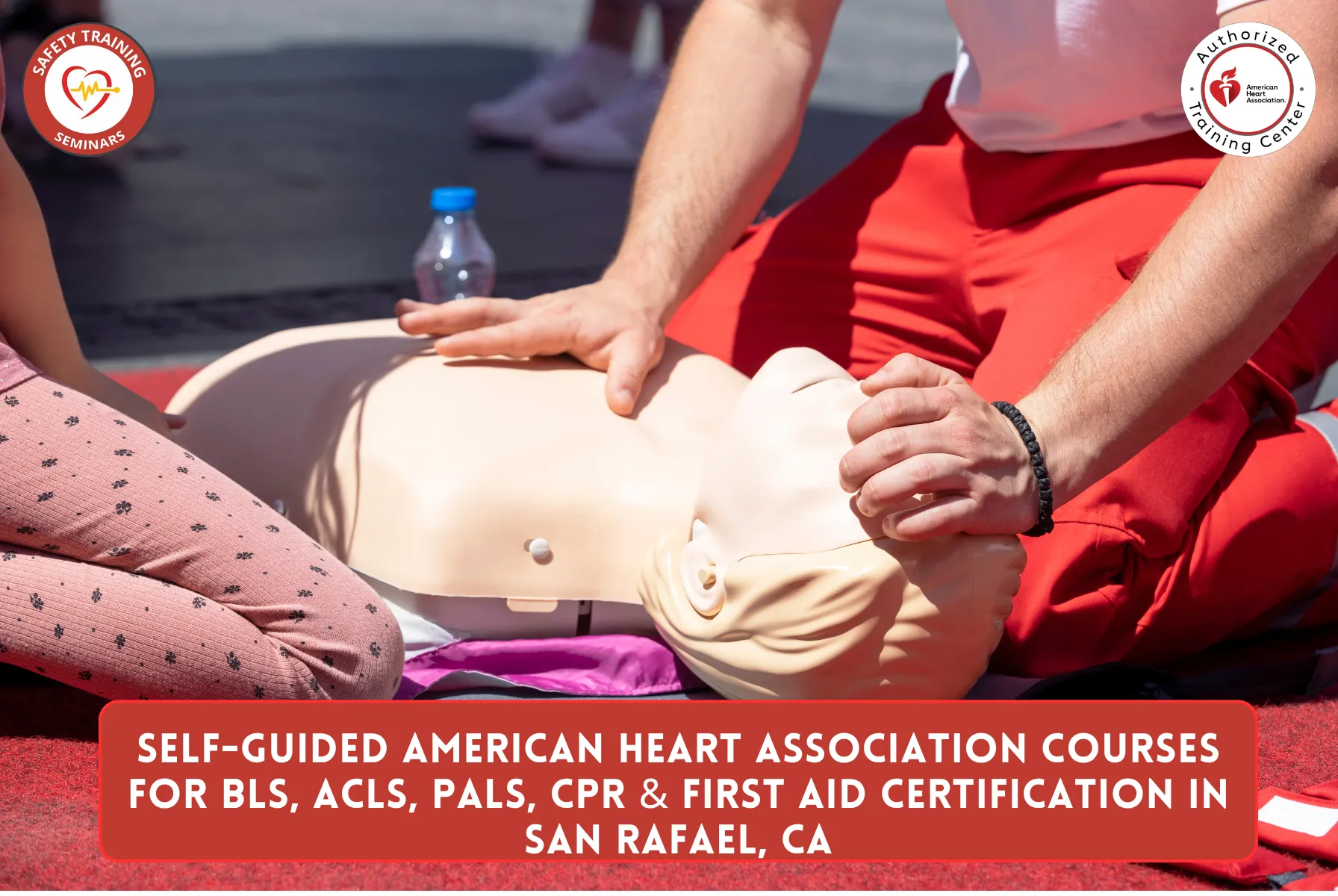
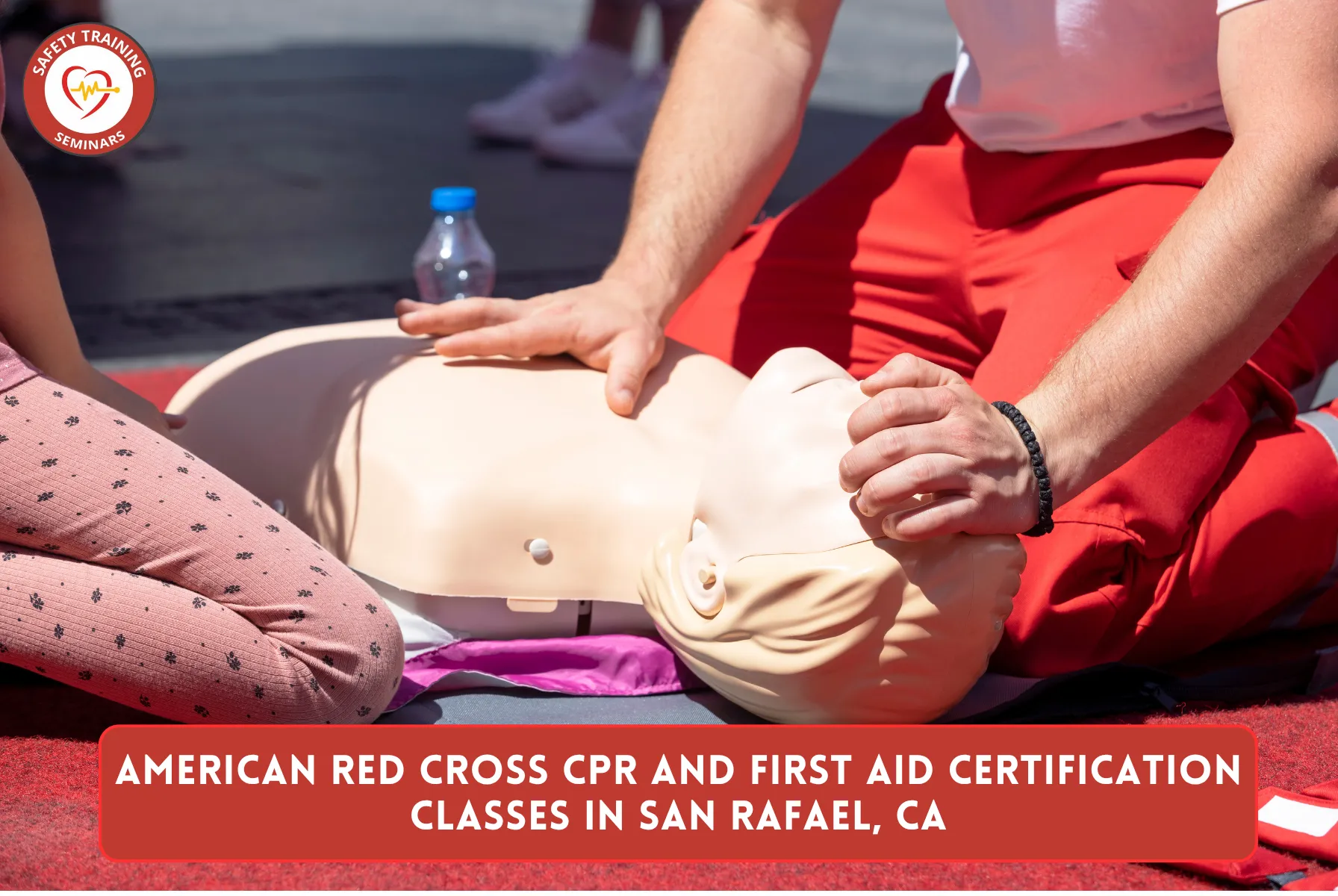
A CPR course is practical, not academic. Expect to spend much of the session on the floor practicing on manikins while an instructor corrects your hand position and compression rhythm.
Courses typically differ by age group:
- Adult CPR is common for office staff, fitness instructors, and caregivers working with older clients.
- Child and infant CPR matters for teachers, nannies, preschool staff, and new parents, because techniques change with body size.
- Combined adult, child, and infant courses suit people whose roles span age groups, such as school staff or family caregivers.
That hands-on time is often the whole point. Many employers and professional programs specifically want proof that you demonstrated skills in person. The exact content depends on which American Red Cross course you select, so read the description before registering.
First Aid: Beyond Cardiac Emergencies
Most emergencies people actually encounter are not cardiac arrests. First Aid training covers that wider territory, preparing learners to recognize and respond to injuries and sudden illnesses while waiting for professional care.
Combined with CPR and AED instruction, First Aid gives you a more complete response plan. That is why combined courses are popular with youth soccer and baseball coaches, personal trainers and yoga instructors, and employees designated as their company’s safety contact. Parents and family members caring for someone at home often choose them too. OSHA’s first-aid standard expects employers to make trained responders available when medical facilities aren’t nearby, which is one reason local businesses look into First Aid and CPR classes in San Rafael for their staff.
What Makes San Rafael’s Training Needs Different
Marin County has a relatively older population compared with much of California, and San Rafael reflects that. Senior living communities, in-home care agencies, and adult children looking after aging parents make up a large share of people who seek adult CPR and First Aid training here. For a caregiver, the question is rarely “Will my employer check?” It is “Would I know what to do?”
Healthcare shapes local demand as well. Kaiser Permanente operates a medical center in San Rafael, and outpatient clinics and medical offices are spread across the city. Dominican University of California, also in San Rafael, runs nursing and health-science programs whose students often need CPR training before clinical placements. Some healthcare roles require a different, more advanced certification, so students and staff should confirm with their program or employer.
Then there is the outdoors. China Camp State Park sits within city limits, and Mount Tamalpais trails are a short drive away. Cyclists, trail runners, and hiking groups spend weekends far from a paramedic’s quick reach. For recreation leaders and outdoor fitness instructors, First Aid knowledge carries practical weight.
Geography affects scheduling. Highway 101 is the main north-south artery, SMART trains connect San Rafael with Novato and Sonoma County, and the Richmond–San Rafael Bridge links the city to the East Bay. A training site on the north side of town can work well for people coming from Novato, Marinwood, Lucas Valley, or San Anselmo.
Who’s Usually in the Room
A typical San Rafael class might include:
- Home-care aides and family caregivers supporting older adults
- Nursing and allied-health students meeting clinical program prerequisites
- Medical office and clinic staff in non-clinical or support roles
- Preschool teachers, nannies, and childcare providers, since California’s childcare licensing rules call for pediatric CPR and First Aid training for certain staff
- Coaches, trainers, and outdoor recreation leaders
- Office and retail employees named as workplace safety responders
No single profession has a universal requirement. Your employer, program, or licensing agency sets it.
Matching a Course to Your Requirement
| Training Type | Typical Use |
| CPR | Focused response to cardiac arrest and breathing emergencies |
| First Aid | Responding to common injuries and sudden illnesses |
| CPR/AED | CPR skills paired with defibrillator use |
| First Aid/CPR/AED | Wider emergency-response training covering all three |
Treat this as a starting point, not an official standard. Before paying for any class, ask the organization requesting the certificate four things: the exact course title it accepts, whether an in-person skills session is required, whether pediatric content is needed, and how recent the certification must be. That could be your employer, school, healthcare organization, licensing body, professional association, or workplace safety coordinator. A two-minute email can save you from retaking a course.
Training with Safety Training Seminars in North San Rafael
Safety Training Seminars operates a local training center in the city, located at 4340 Redwood Hwy, Suite F-154, San Rafael, CA 94903. Its north San Rafael location near Highway 101 may be practical for residents of Terra Linda and Marinwood, as well as commuters from Novato and southern Sonoma County.
To see what’s currently offered, visit the San Rafael CPR, BLS, ACLS, and PALS class page. Check the course title, format, dates, and fees against the requirement you confirmed earlier. If a listing doesn’t clearly match what your employer or school asked for, contact the center before registering.
Why Consider Safety Training Seminars in San Rafael
- A physical training site in San Rafael, helpful when a requirement calls for in-person skills practice
- Easy access from Highway 101 for people across northern and central Marin
- Multiple emergency-response course categories listed in one place
- Course details posted online so you can compare before you commit
Frequently Asked Questions
Do in-home caregivers in Marin need CPR certification?
Often, but not always. Many home-care agencies and senior-living employers ask caregivers to hold CPR and First Aid training, and some specify adult CPR/AED. Private family caregivers usually have no formal requirement, though many choose training anyway. Ask your agency which course it accepts before enrolling.
Can Dominican University nursing students use a local CPR class for clinical prerequisites?
Possibly. Nursing and health-science programs set their own CPR requirements, and some healthcare settings call for a specific certification level. Check your program handbook or clinical coordinator for the exact course name before registering anywhere.
Is a north San Rafael location practical for people coming from Novato?
For many, yes. The training center sits near Highway 101 on the north side of San Rafael, which is typically a short drive from Novato, Marinwood, and Lucas Valley. SMART riders may also find it workable, depending on their connection.
What’s the practical difference between CPR/AED and First Aid/CPR/AED?
The second adds First Aid. CPR/AED focuses on cardiac arrest, while First Aid/CPR/AED also prepares you for injuries and sudden illnesses. Coaches, caregivers, and designated workplace responders frequently choose the combined course, but your requirement should decide.
Will I practice on a manikin?
In many American Red Cross CPR courses, yes. Hands-on practice is a common part of training, and some employers and programs specifically require an in-person skills component. Read the course description to confirm the format.
Before You Book
CPR prepares you for the moment someone’s heart or breathing stops. First Aid covers the far more common injuries and illnesses in between. AED training links the two during cardiac emergencies. For caregivers, clinic staff, students, and coaches across San Rafael, picking the right version matters more than picking the first available class.
Start by getting the exact course requirement in writing from your employer, school, or licensing contact. Then review the current listings from Safety Training Seminars and choose the session that matches both the requirement and your calendar.